Optimal Timing for Fence Post Repairs
Fence post repairs are most effectively performed during specific times of the year when environmental conditions favor durability and ease of work. The optimal period typically falls during mild weather conditions, avoiding extreme cold, heat, or moisture. Proper timing ensures the longevity of repairs and minimizes future issues related to weather exposure.
Spring offers moderate temperatures and increased soil moisture, making it ideal for setting new posts and repairing existing ones before the heat of summer.
This period provides cooler weather and stable ground conditions, reducing the risk of post shifting or cracking due to temperature fluctuations.
Cold winter months can hinder proper setting of posts due to frozen ground, while peak summer can cause rapid drying and cracking of materials.
After storms or heavy rainfall, inspecting and repairing fence posts promptly can prevent further damage caused by soil erosion or water exposure.
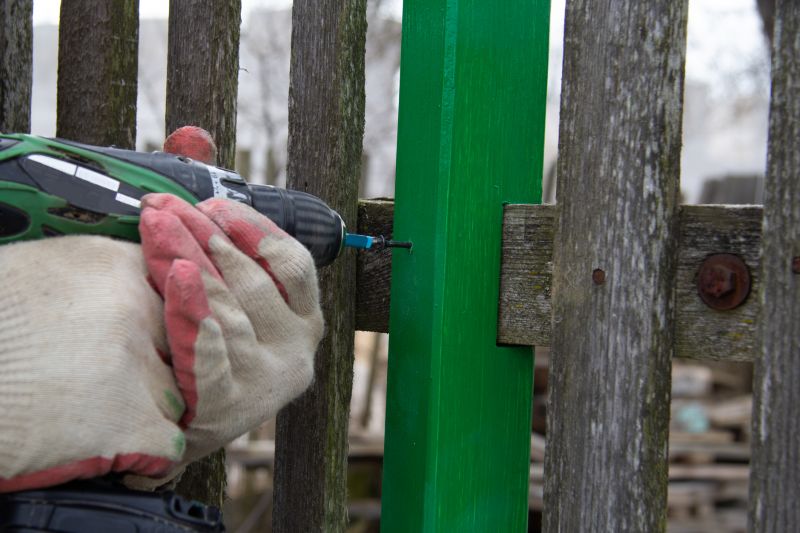
Workers setting fence posts during spring with fresh soil and moderate temperatures.
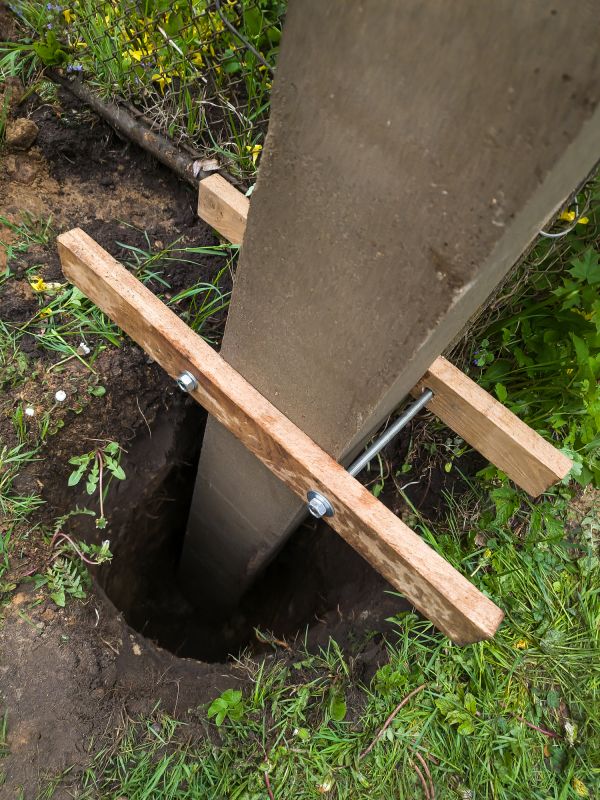
Inspecting and repairing fence posts during late summer to prepare for fall.
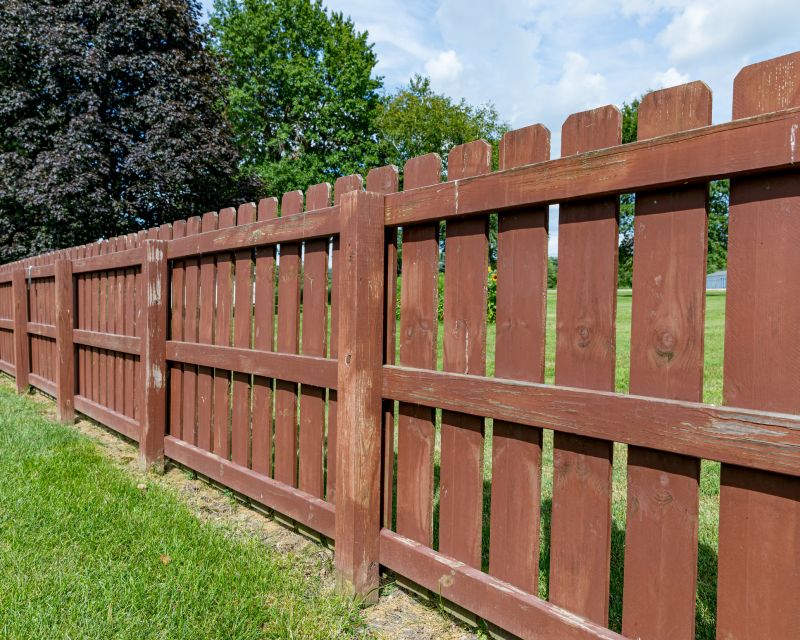
Repairing fence damage caused by recent storm activity.
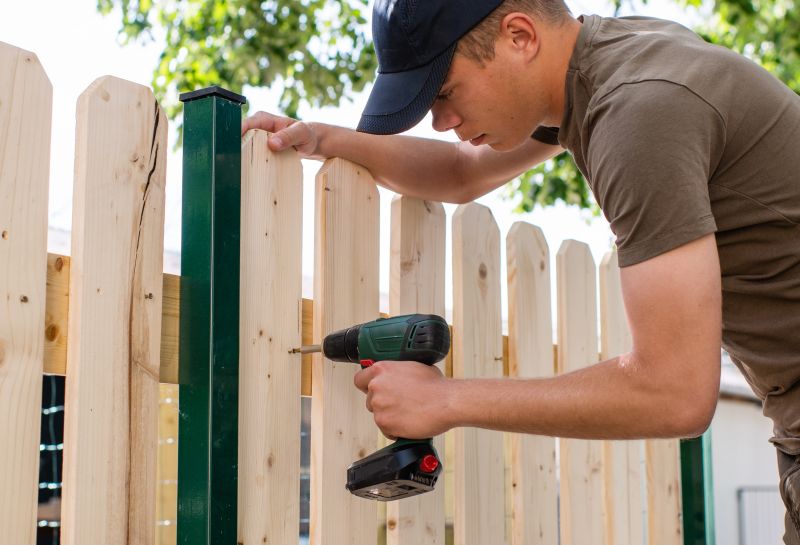
Ways to make Fence Post Repairs work in tight or awkward layouts.
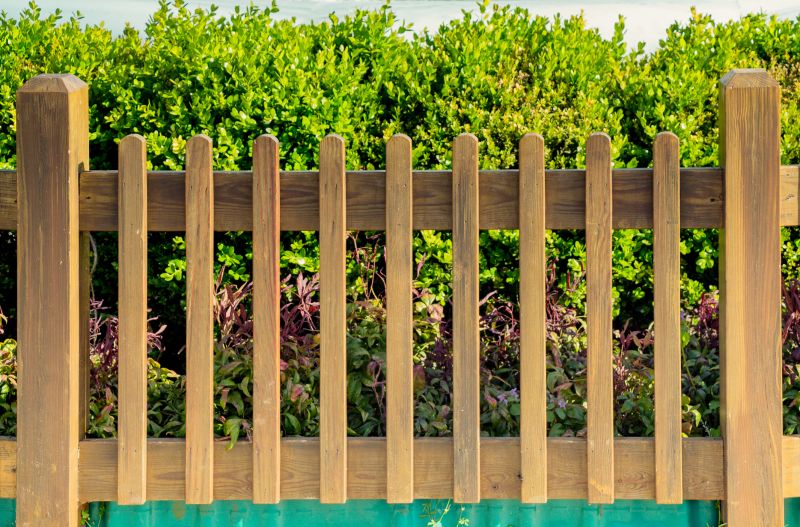
Popular materials for Fence Post Repairs and why they hold up over time.
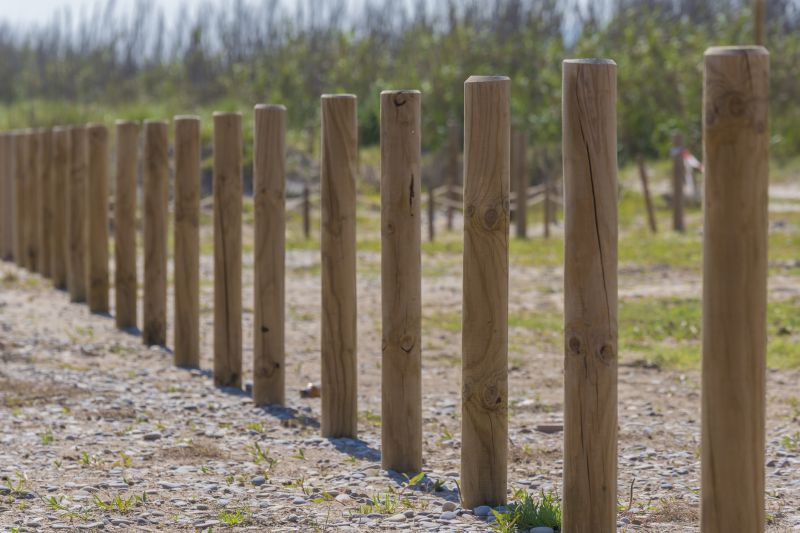
Simple add-ons that improve Fence Post Repairs without blowing the budget.
| Season or Condition | Best Practices |
|---|---|
| Spring | Ideal for setting new posts; moderate soil moisture aids installation. |
| Late Summer/Early Fall | Optimal for repairs; cooler temperatures help curing. |
| Winter | Not recommended due to frozen ground and cold temperatures. |
| Post-Storm | Timely inspections and repairs prevent further damage. |
| Dry, Mild Weather | Best for concrete curing and stable repairs. |
| Peak Summer | Avoid due to rapid drying and material cracking. |
| Heavy Rain Periods | Delay repairs until soil dries for better stability. |
Fence post repairs involve replacing or reinforcing damaged or rotting posts to maintain the integrity of a fence. Proper timing ensures that repairs are durable and less prone to future issues. The process typically includes removing old posts, preparing the ground, and setting new posts with concrete or other stabilizing materials. Accurate timing reduces the risk of post movement, cracking, or soil erosion, which can compromise fence stability.
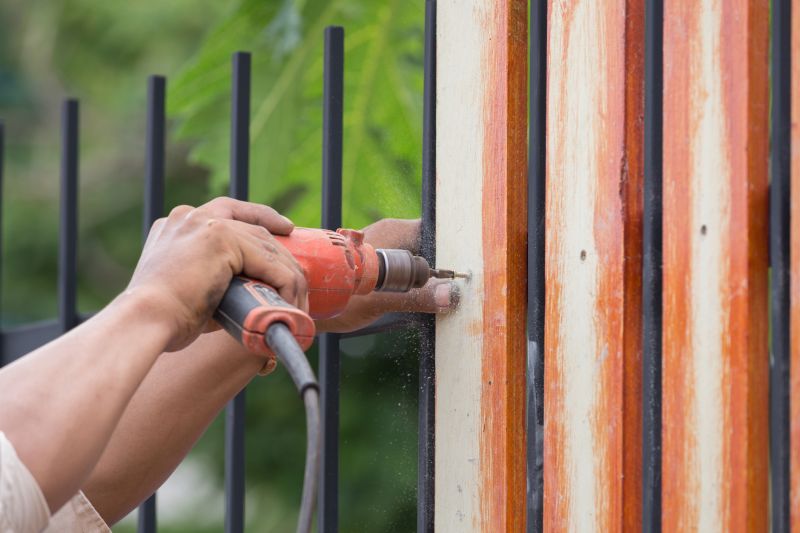
A worker installing a new fence post during spring with ideal weather conditions.
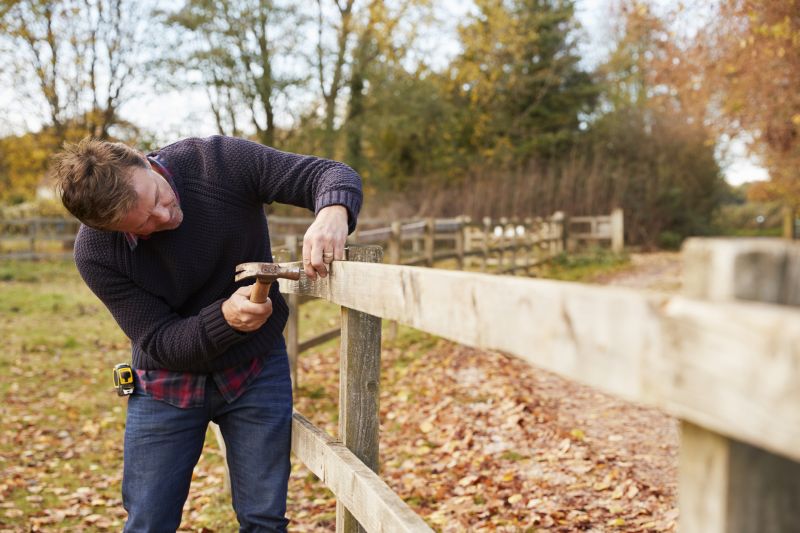
Inspecting and reinforcing fence posts in early autumn.
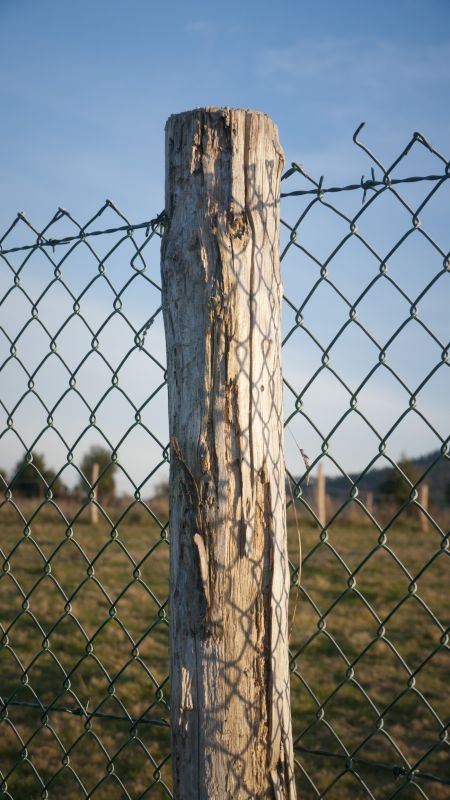
Fixing fence damage after a heavy storm event.

High-end options that actually feel worth it for Fence Post Repairs.
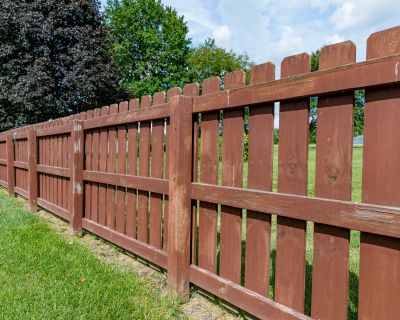
Finishes and colors that play nicely with Fence Post Repairs.
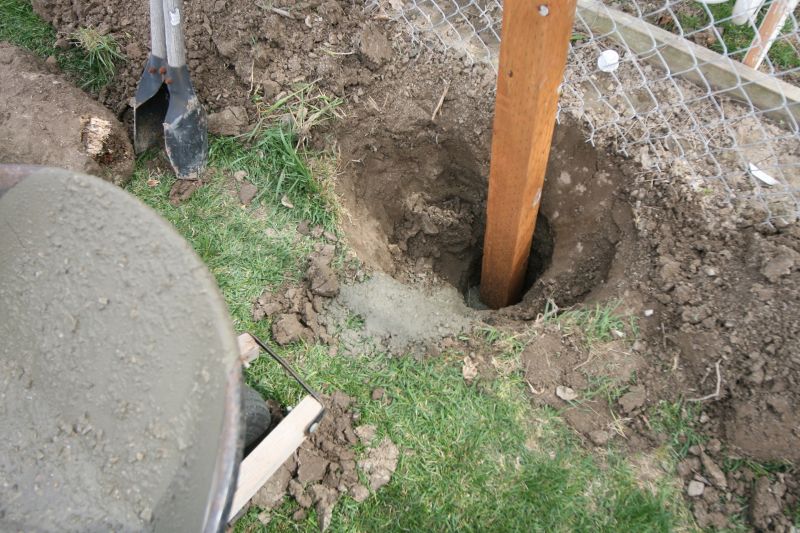
Little measurements that prevent headaches on Fence Post Repairs day.
Interested parties are encouraged to contact for further information or to schedule fence post repairs. Proper timing and professional assistance can extend the lifespan of fencing investments and ensure structural stability over time.